Representation, Structure, and Synergy
When are explicit 3D representations necessary, and when can implicit world models suffice?
ECCV 2026 Workshop
Exploring the role of explicit 3D structure, spatial intelligence, video generation, and physical reasoning in scalable world models.
A workshop for the 3D vision, graphics, generative modeling, and world-modeling communities.
Research in 3D vision and graphics has built explicit 3D-aware pipelines that provide geometric consistency, interpretability, and controllability. At the same time, recent progress in generative video models suggests that large models may implicitly acquire spatial, geometric, and physical knowledge from scale.
This workshop asks how the role of 3D vision research should evolve in the era of large-scale foundation models for spatially aware world models, and how explicit 3D representations can work together with video-based implicit 3D priors.
We welcome work and discussion across the foundations, evaluation, and applications of 3D-aware world models.
When are explicit 3D representations necessary, and when can implicit world models suffice?
Can large-scale video pretraining yield spatially grounded understanding, and what is the role of 3D inductive bias?
How should we model dynamic scenes, long-term temporal consistency, and physically plausible interaction?
What metrics and protocols measure spatial understanding, physical grounding, and controllability beyond pixel fidelity?
How can 3D reasoning interface with language, planning, embodied agents, and next-generation simulation?
All dates are tentative and will be updated with final submission portal information.
Invited talks spanning neural scene representations, 3D reconstruction, world models, and spatial intelligence.
 09:10
09:10
MIT
 09:40
09:40
Technical University of Munich
 11:00
11:00
Google DeepMind
Pending in-person / remote 11:30
11:30
University of Oxford
Remote 13:00
13:00
NVIDIA Cosmos
 13:30
13:30
NAVER Labs Europe
 15:15
15:15
Carnegie Mellon University
Remote 15:45
15:45
University of Pennsylvania
RemoteSelected spotlight talks highlighting current work in 3D-aware generation and world modeling.
 10:10
10:10
Adobe Research
 10:25
10:25
Adobe Research
Full-day program with keynotes, spotlight talks, posters, and coffee breaks.
Accepted papers are non-archival and may be presented as posters or spotlights.
We accept non-archival submissions using either the CVPR or ECCV template. With the CVPR template, long papers may be up to 8 pages and short papers up to 4 pages. With the ECCV template, long papers may be up to 14 pages and short papers up to 7 pages. References do not count toward the page limit. Please submit through the OpenReview submission portal.
Relevant submissions include 3D/4D vision, world models, video generation, neural rendering, spatial intelligence, benchmarks, physical reasoning, and embodied applications.
A cross-institutional team spanning academia and industry.

University of Texas at Austin

Adobe

University of Texas at Austin

Adobe
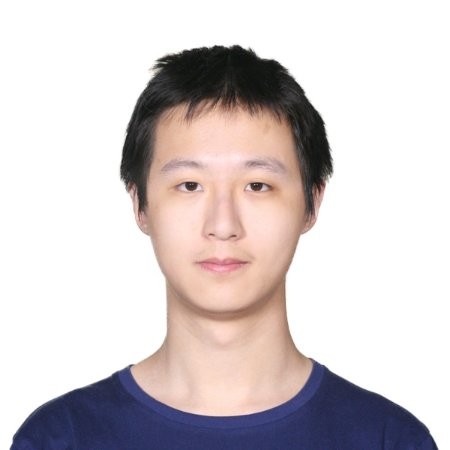
Adobe

Google DeepMind
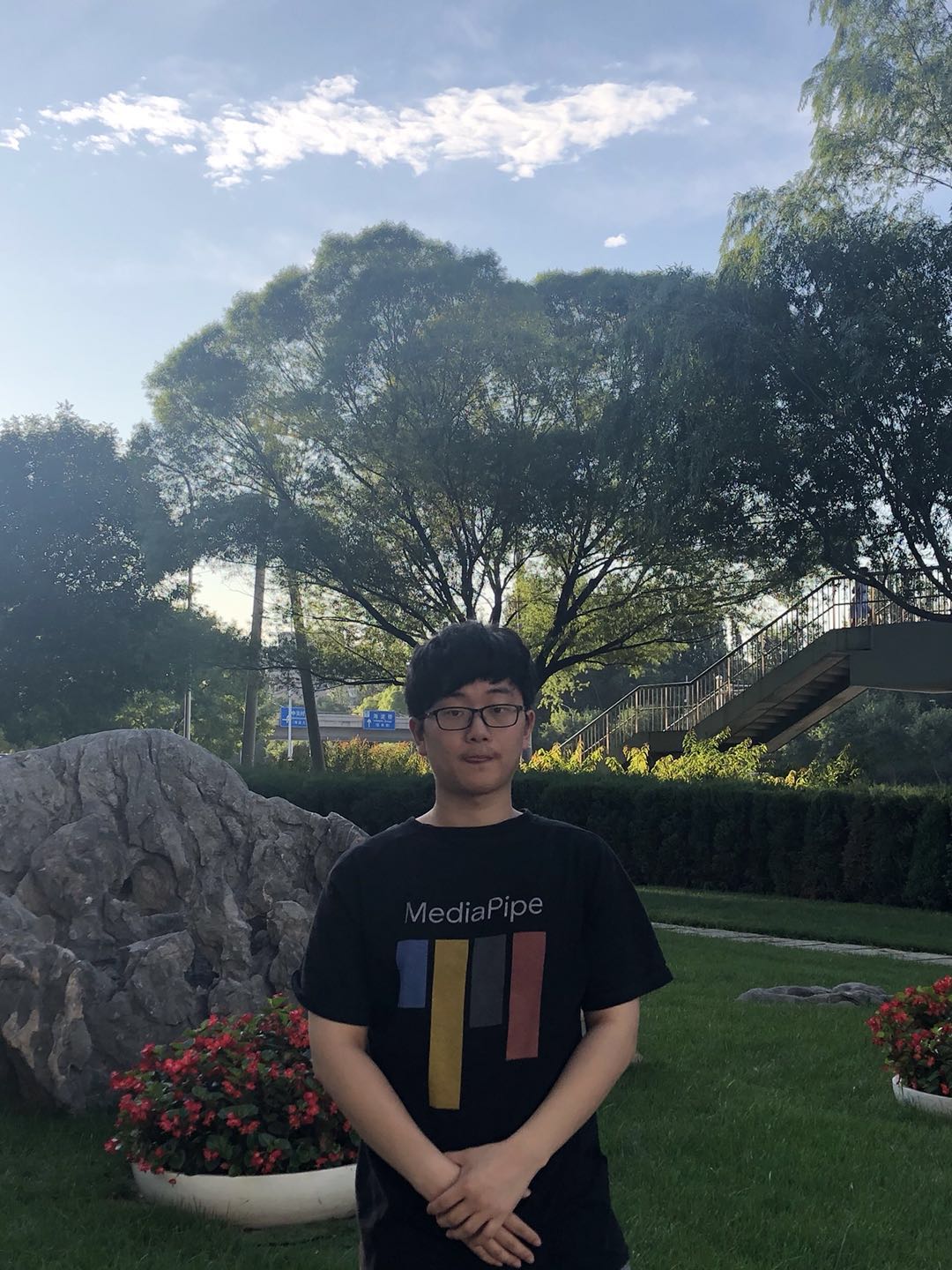
University of Oxford & Meta

NVIDIA
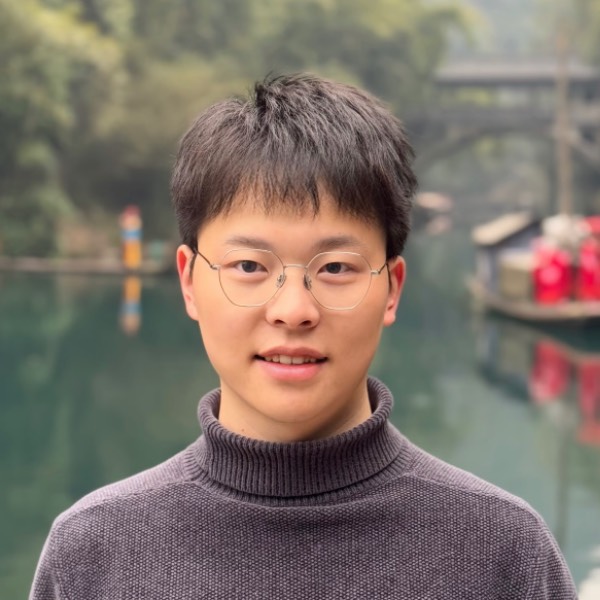
Cornell University

University of Texas at Austin

Google DeepMind

Stanford University & Google
Please contact the workshop chairs for questions about submissions and program updates.